Featured
Table of Contents
Take time to see details of the things around you. Note what you: see really feel listen to scent preference You could focus on the sensation of your foot hitting the ground, the method the clouds look or an odor in the air.
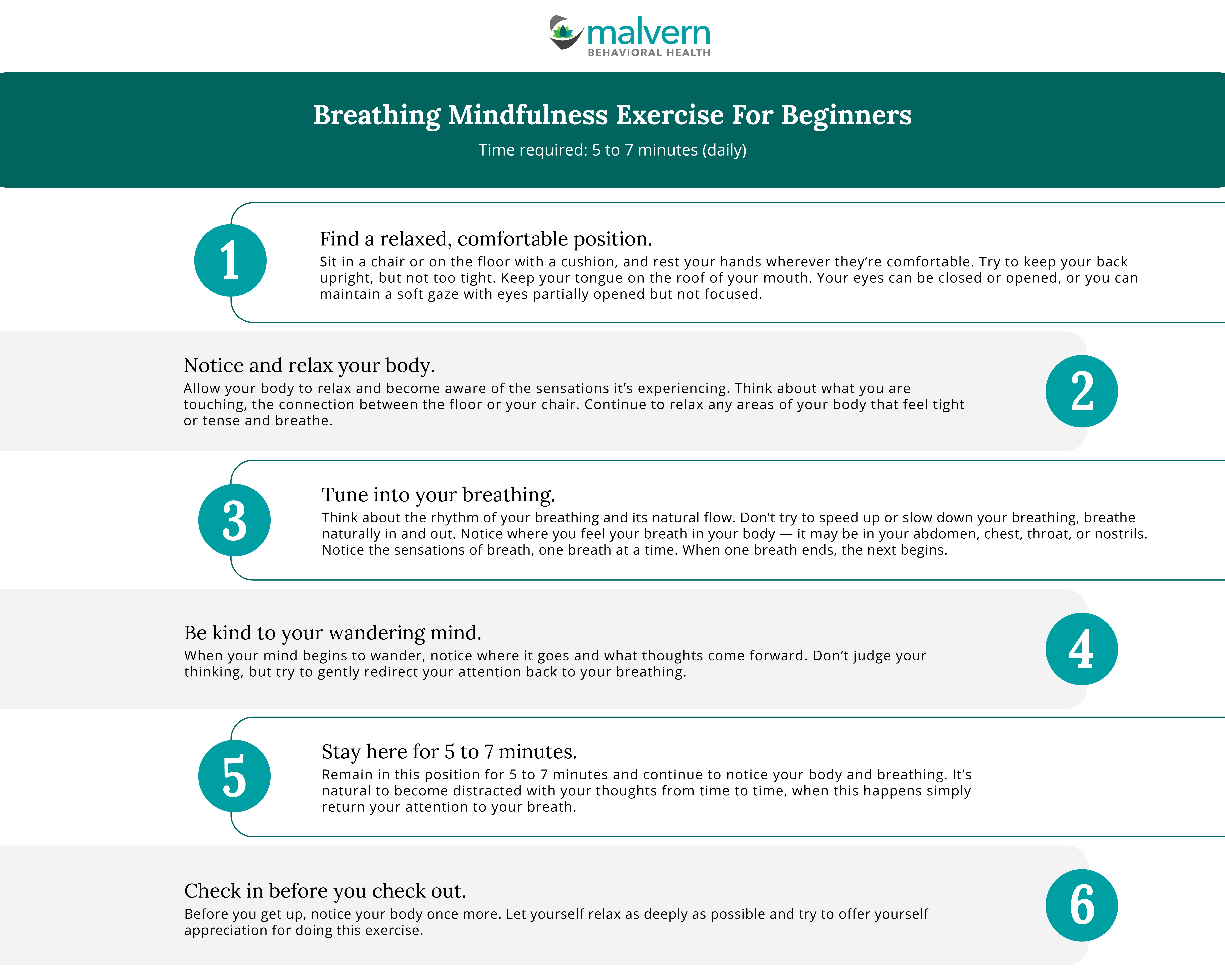
At the heart of mindfulness exists the breatha consistent support among the tempest of ideas and emotions. Conscious breathing involves routing interest to the experiences of the breath as it goes into and leaves the body. By concentrating on the rhythmic circulation of breath, people can ground themselves in the existing moment, soothing the mind and calming stress and anxiety's troubled waves.
Intensive Outpatient of Intervention for Severe Eating Disorders
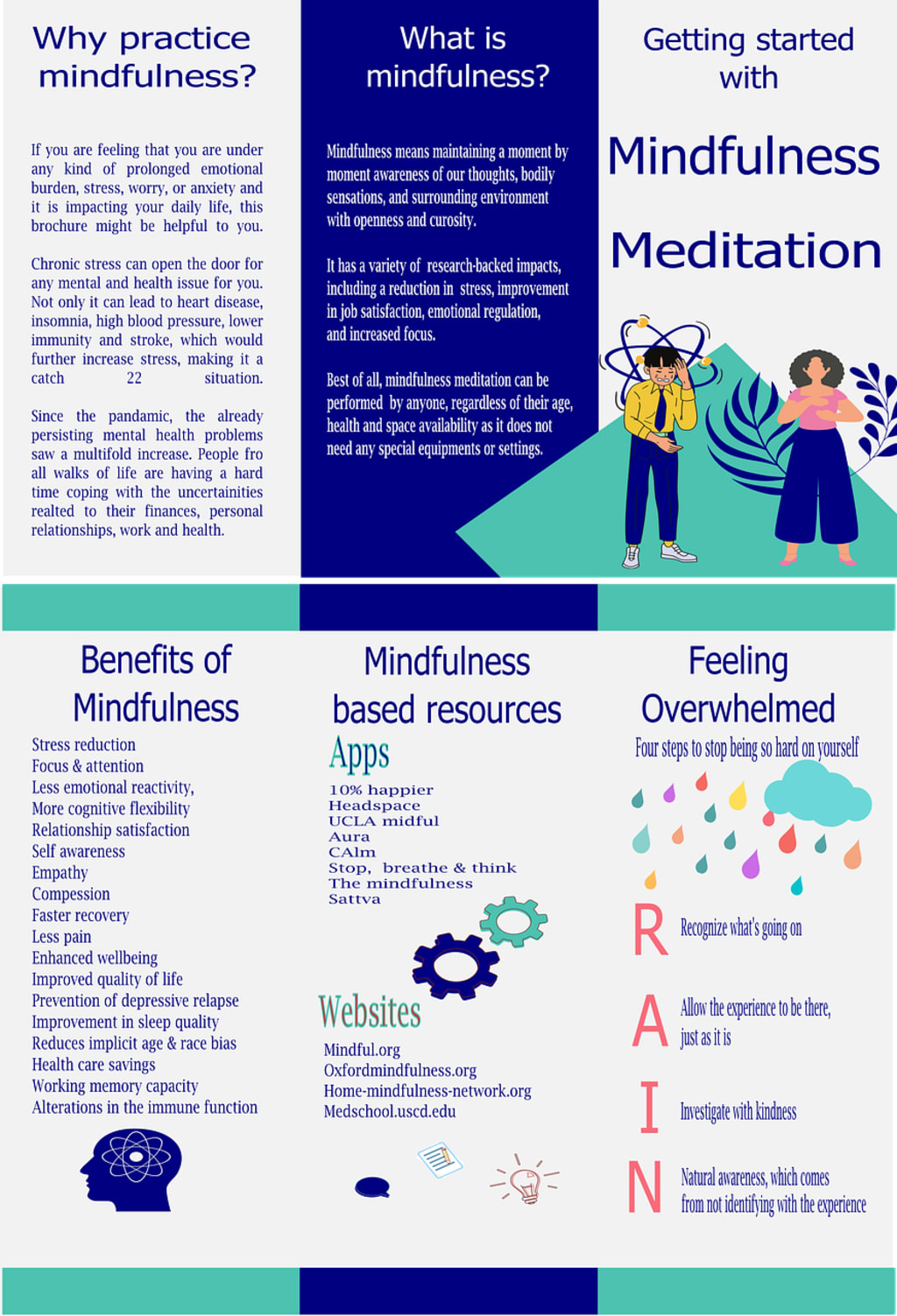
Body check meditation entails methodically bringing recognition per part of the body, from head to toe, discovering any type of experiences without judgment. This gentle expedition enables individuals to launch muscle stress and grow a sense of convenience and relaxation throughout the body, reducing the physical symptoms of stress and anxiety. When anxiety pirates the mind, grounding strategies offer a lifeline back to today moment.
This sensory understanding anchors individuals in the right here and currently, providing a respite from anxious ideas of past and future. At its core, stress and anxiety typically comes from a sense of separateness and fear. Loving-kindness reflection, or metta, uses a powerful antidote by cultivating feelings of empathy and link towards oneself and others.
For some, sitting still in reflection might really feel difficult amidst the restlessness of anxiousness. Conscious movement practices such as yoga, tai chi, or simply walking with awareness offer different pathways to mindfulness. By syncing motion with breath and adjusting into bodily experiences, people can cultivate a sense of personified existence, finding refuge from anxious thoughts in the fluidness of activity.
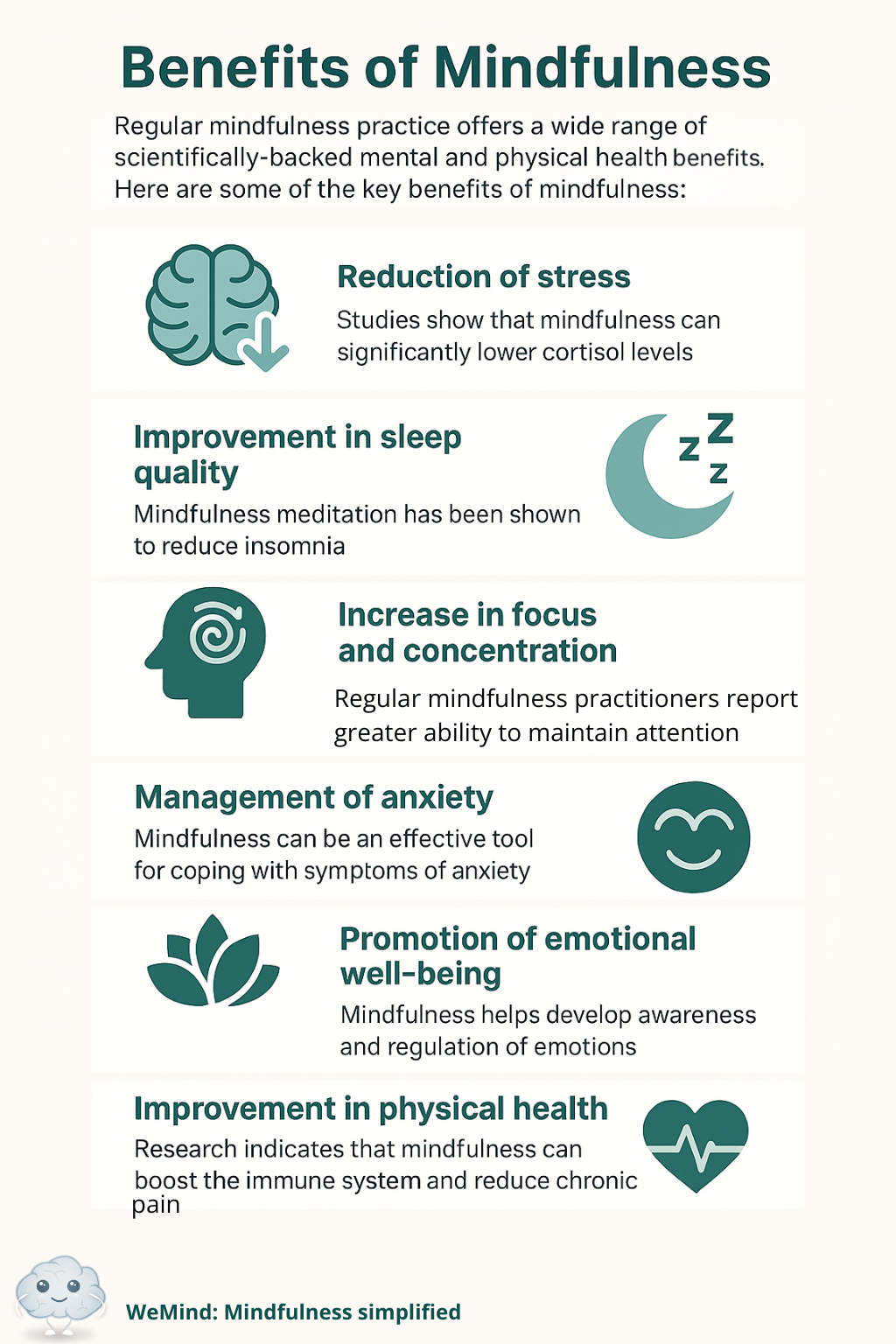
While there are many approaches to managing stress and anxiety, one that has gained substantial interest and traction is mindfulness. Mindfulness, rooted in ancient reflective practices, has emerged as a powerful tool in the collection versus anxiousness. In this exploration, we look into the extensive role mindfulness plays in long-lasting stress and anxiety monitoring, using insights and techniques for those seeking sustainable relief.
High Achievement Standards as a Contributing Factor
Mindfulness techniques such as body scans and mindful motion cultivate a deeper link between mind and body, allowing individuals to recognize and release physical indications of anxiety. Persistent anxiousness can lead to neural paths that strengthen fear and concern.
Mindfulness shifts the focus to the existing minute, where anxiety sheds its foothold. By cultivating present-moment recognition with practices such as mindful breathing and sensory grounding, people can break complimentary from the cycle of anxious thinking and experience higher tranquility and clearness.
Through mindfulness method, individuals establish greater cognitive adaptability and resilience, minimizing the influence of nervous ideas. Anxiety Reduction and Relaxation: The core purpose of MBSR is to minimize tension and enhance leisure. Mindfulness techniques such as body scan reflection and mindful breathing advertise relaxation actions in the body, counteracting the physical impacts of anxiety.
Long-Term Wellness Tools for OCD Management
Anxiousness shows up in a number of different ways. The Diagnostic Stats Guidebook (DSM) details numerous stress and anxiety disorders. If you are interested in exploring your unique signs and symptoms of stress and anxiety, it is essential to count on a specialist to accurately diagnose. Do not hesitate to set up a session with us if you're interested! Some usual DSM disorders and their signs and symptoms include: Generalized Stress and anxiety DisorderExcessive stress over the majority of thingsCan include trouble concentrating, irritability, muscular tissue tension, problem sleeping, uneasyness, and hypervigilancePanic DisorderFeeling of dreadHaving unanticipated panic attacks Panic attack can entail boosted heart rate, shortness of breath, sense of choking, dizziness, shivering, or anxiety of shedding controlPanic strikes are sudden and peak within 10 mins lasting either a couple of mins or a few hoursPhobias Anxiety regarding a certain item or situationCan entail animals, setting (elevations, deep water, thunderstorms, bacteria), situational (flying, going to dental professional), or bodily (seeing blood, getting injections)Social Stress and anxiety DisorderFear of being judged in social situationsAnticipatory stress and anxiety focused on an upcoming social situation Can consist of social scenarios like performing in public, trembling hands with someone, eating in public, etc.
As your capability to be conscious boosts, so does your ability to take care of solid emotions. What mindfulness practices are best for you, your lifestyle and the anxiousness you experience? Each individual is various in terms of how they experience anxiety and the most effective means to decrease it or decrease it.
Science-Backed EMDR Intensives Modalities for Perfectionism Work
Some are extra structured strategies such as classes for yoga exercise, reflection, breath job, a mindfulness workbook or noise baths. Other techniques are focused on interior tools that can be accessed quickly and quickly. All of these methods work and function well when integrated so you develop a multi-faceted mindfulness technique that is tailored to you, your preferences and needsHere are 5 exercises that just take a moment and can help you in day-to-day life that you can bring with you, where ever you go: Breath recognition entails taking notice of how you are breathing.
Begin by having mindful recognition and just reduce to take a few deep breaths. There are a number of structured breathing methods that are extremely reliable such as Dr. Weil's 4-7-8 Breathing Strategy . This strategy is excellent for soothing and resetting the understanding nerves and taking a go back from whatever was causing your sensation of stress and anxiety or tension.
A means to practice this is to examine your senses in a mindful means. Take a moment to bring your interest to today moment and your surroundings. Slowly work via the fives detects and list the following:5 things you see 4 things you feel3 points you listen to 2 things you scent 1 point you tasteThis 54321 exercise is developed to bring awareness to the existing moment and merely observe your environments.

Latest Posts
Flexibility of Remote Mental Health Sessions Through Therapy for Grief and Loss
What Family of Origin Events Impacts Depression
Finding Workshops Around Maryland