Featured
Table of Contents
It prevails, but can be really significant, influencing exactly how you really feel, think, and act. Having depression is various than just really feeling sad. It is a consistent sensation of unhappiness, sadness, and loss of passion. To be identified with clinical depression, signs should be existing for 2 weeks or even more.
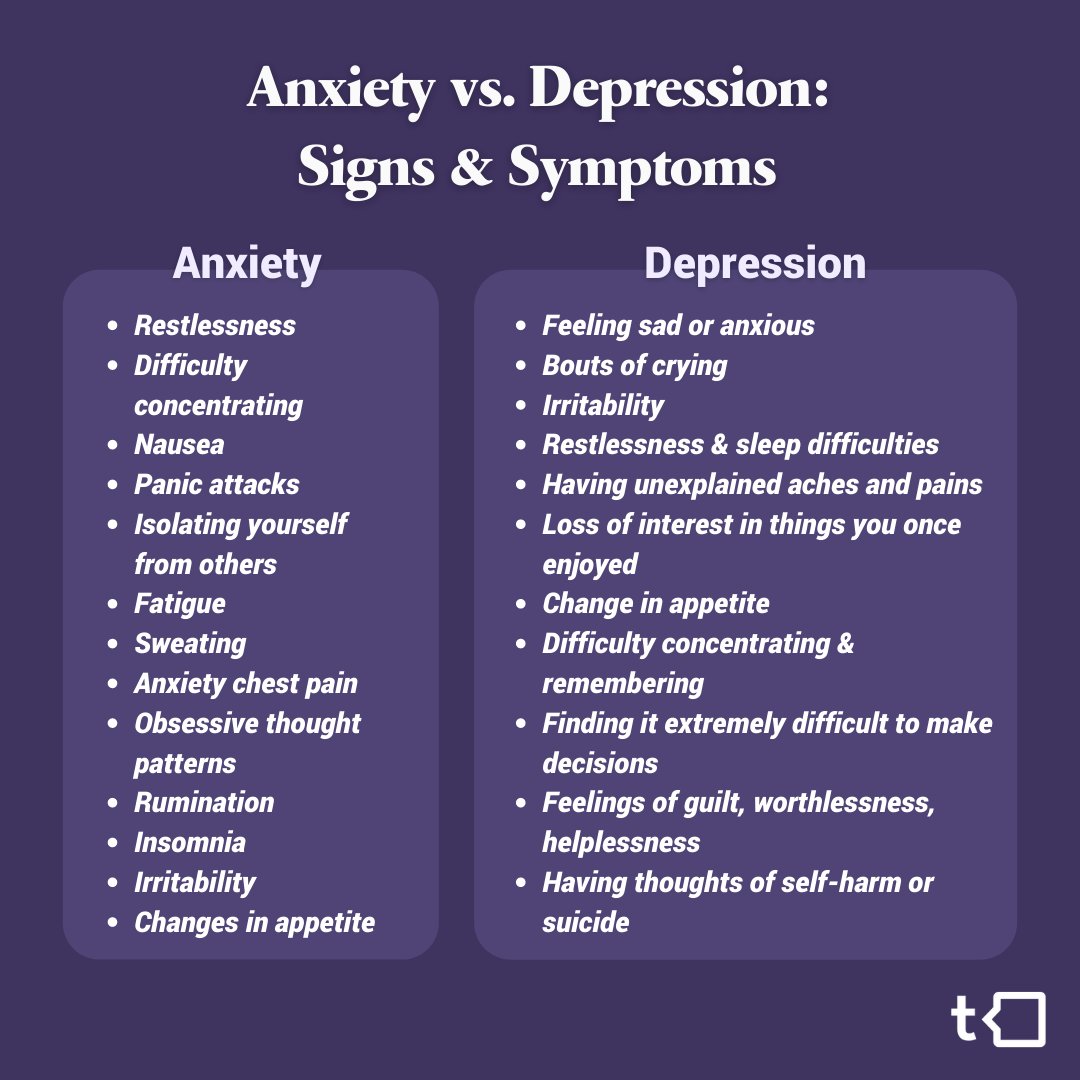
From one person to another the severity and regularity of signs and symptoms will certainly differ, and while some people just experience a couple of symptoms, others experience several. Persistent sad, anxious, or "empty" mood Feeling helpless Feeling pointless Angry outbursts, impatience, or aggravation Loss of rate of interest or enjoyment in hobbies and activities Believing absolutely nothing is worth attempting Believing concerning fatality, or that life is unworthy living Absence of power Relocating or talking slower than common Difficulty with focus, emphasis, memory, and choice making Feeling troubled or having trouble sitting still Appetite or weight adjustments Difficulty resting, early-morning awakening, or sleeping far more or a lot less than regular Pains or discomforts, headaches, pains, or digestion problems without a clear physical cause Although depression is one of the most usual mental illness in the US, there is no exact well-known reason of clinical depression.
The Importance of Therapeutic Safety in Trauma-Focused Therapy
Risk elements for clinical depression include: Acquired attributes, individual or family members background of anxiety Ecological factors, like major life changes, trauma, or tension Psychological variables Certain physical diseases and medicines Biological differences, mind chemistry, or hormones One of the most efficient therapy for clinical depression is medicine and psychiatric therapy. The earlier that depression is dealt with, the much easier it is to deal with.
Talking with a psychoanalyst, psycho therapist or various other psychological wellness professional, can be very valuable for individuals with depression. Medications to deal with anxiety are called antidepressants. There are lots of sort of antidepressants that do different things in the brain, like boost just how the mind makes use of particular chemicals, or maintain your mood.
What Lies Beneath Depression and Burnout and Healing With Acceptance and Commitment Therapy

Some instances of antidepressants are: Discerning serotonin reuptake inhibitors (SSRIs) Serotonin-norepinephrine reuptake preventions (SNRIs) Atypical antidepressants Tricyclic antidepressants Monoamine oxidase inhibitors (MAOIs) Yes, you can have anxiousness and clinical depression at the exact same time. They are 2 separate and unique mental health and wellness concerns, they generally occur all at once. Sometimes, a person can have both an anxiety disorder and a significant depressive problem.
In various other situations, depression may cause anxiousness. They are 2 interrelated mood conditions, and regularly there is some degree of overlap. Yes, there is a distinction between anxiety and anxiety medication. There are anti-anxiety medications especially for dealing with anxiousness symptoms, and antidepressants especially for treating depression signs. One type of drug that has revealed to be reliable in dealing with stress and anxiety and depression are selective serotonin reuptake preventions (SSRIs).
Finding Recovery in San Francisco
Treatment can be a useful device for people with stress and anxiety and anxiety. For both anxiousness and clinical depression, CBT involves chatting with actions patterns, and assists to show individuals with these mental illnesses exactly how to deal with signs.
For depression, it can assist you experience positive feelings. The majority of treating anxiety and depression with therapy is overlapping. Using evidence-based strategies particular to the treatment of state of mind disorders, like CBT, and regularly speaking to a therapist will certainly help those with stress and anxiety, anxiety, or both, make recognizable enhancements. Yes, you can obtain treatment for anxiety and depression online.
Loving-Kindness for Mental Wellness for Building Healthy Self-Esteem
Mental health and wellness is made complex. While specialists have actually produced certain medical diagnoses for various sorts of disorders, the reality is that lots of problems have a lot of overlap, which can make it relatively difficult to differentiate in between 2 separate troubles. Among one of the most usual problems that people have is attempting to tell the distinction between anxiousness and anxiety.
While it would certainly be fantastic if there were a fool-proof means of telling you whether you have anxiousness or anxiety, it's not fairly that basic. A single person can easily have both stress and anxiety and clinical depression, and some individuals might have established depression signs as a result of their stress and anxiety disorder. It's a little bit a lot more challenging than saying "you have stress and anxiety" or "you have depression" since it's possible to have combinations of both.
Signs and symptoms of one or the various other might hemorrhage right into whichever disorder you have, since both share comparable causes, issues, and so on. The very best method to understand the distinction between the two problems is with the primary symptoms, starting with the psychological symptoms. Anxiousness: Apprehension over what will take place and what might take place in the future.
The Symptoms of Emotional Burnout Through Acceptance and Commitment Therapy
Seeming like you require to run away or avoid things that could trigger more anxiety. Anxiety: Feeling of despair regarding the future, as though it's helpless. Apathy, and an absence of belief that positive things will happen. Little concern, yet rather an assurance of future negative emotions. Feasible self-destructive ideas.
Those with depression often assume a negative future and do not expect anything else or think there's anything worth protecting against. Depression can happen after someone experiences stress and anxiety, since someone that handles severe anxiety might finish up really feeling drained and hopeless when their stress and anxiety or anxiousness assault mores than. That's why the two problems can be hard to inform apart.
Both anxiety and clinical depression can leave you feeling drained and worn down. In the instance of anxiety, it often tends to take place after intense anxiousness, while with anxiety it has a tendency to be a lot more consistent, without always any type of triggers.
Physical symptoms that appear like wellness conditions, especially if accompanied with health and wellness worries. Rapid heart price, bowel problems, hyperventilation, and other "energy" creating symptoms. Clinical depression: Severe lack of energy or drive. Flat affect (total absence of emotion) along with reduced reasoning and behaviors. Serious hunger changes, frustrations, and sleep problems. Depression in fact tends to have less physical signs, but the psychological signs can be so hazardous (particularly the capacity for suicidal thoughts) and the lack of power so articulated that lots of people with depression handle extreme battles daily that absolutely competing the signs of anxiousness.

Table of Contents
Latest Posts
Exploring the Transformative Nature of Psychodynamic Counseling with ADD/ADHD Testing & Evaluations
Sorrow as Part of Generational Wounds
Mind-Body Integration Within Waterloo, Ontario Neurolinguistic Programming Therapy Services
More
Latest Posts
Exploring the Transformative Nature of Psychodynamic Counseling with ADD/ADHD Testing & Evaluations
Sorrow as Part of Generational Wounds
Mind-Body Integration Within Waterloo, Ontario Neurolinguistic Programming Therapy Services