Featured
Table of Contents
New! Different therapeutic techniques and strategies can be tailored to the particular demands and characteristics of the family. Family members might look for therapy for various factors, including: difficulties communicating successfully might lead to misunderstandings, conflicts, or continuous debates.
Treatment supplies a risk-free space for family members to explore their characteristics, enhance understanding, create healthier patterns, and learn efficient strategies to manage challenges.
The efficiency of a household therapy session counts on several crucial concepts and methods that cultivate an atmosphere conducive to meaningful interaction and progression. Right here are the steps to running an effective household therapy session. 1. Foundational in family treatment, this first action involves developing a safe and non-judgmental room where each member of the family feels comfy expressing themselves.
Evidence-Based Therapies for Trauma Healing
Program authentic understanding and compassion toward each member of the family's experiences and feelings. Establish an atmosphere where every person really feels heard, respected, and confirmed, regardless of varying opinions or conflicts. Guarantee relative their privacy is valued and describe the meaning of discretion. When a trustworthy and considerate environment is fully established, family participants are most likely to open, share their thoughts and feelings, and actively take part in the healing procedure.
Concentrate on: Promote an ambience where member of the family attentively pay attention without disrupting or evaluating each other. Teach relative to repeat what they've listened to, making sure a clear understanding of each various other's perspectives. Acknowledge and confirm every person's feelings, even if they differ from each other. Energetic paying attention fosters compassion, boosts understanding, and decreases misconceptions promoting healthier communication within the household.
Focused Groups for Families Healing
Make certain the objectives are aligned with the family's requirements. Clear goals supply instructions and focus during therapy, assisting interventions and assisting household participants track their development.
Acknowledge and value each household participant's input, emphasizing the worth of their viewpoint. Ensure that no one controls the conversation and encourage quieter household participants to speak up.
If you use these strategies, you will facilitate a much more reliable and impactful restorative journey. The initial session offers as an introduction to you and the restorative process. Comply with these actions. 1. Permit each household member to present themselves, sharing their factor for seeking treatment and their assumptions. Introduce on your own and supply a little background.
Medication and Psychotherapy Collaboration

3. Collect details regarding family dynamics, partnerships, and issues. Recognize strengths and difficulties within the family. 4. 5. Go over the family members's desires. What does the household wish to leave therapy? 6. 7. Clarify the treatment procedure, privacy, roles of relative, and the commitment required for progress. 8.
Ask the adults to finish and sign any approval or launch types, as well as any various other required documents. Develop a framework that assists in effective communication, analytical, and development towards therapeutic objectives. To comprehend each family participant's emotional state and worries, start the session by allowing each participant to briefly share their existing ideas, sensations, and any type of updates.
3. Collaboratively establish the emphasis for the session and identify pressing concerns that require conversation. This action makes certain that everybody feels listened to which the session addresses relevant problems. 4. 5. Recap objectives and review the progression made to track the family members's development and determine what needs to be dealt with.
How to Seek Therapy for Panic
Produce a safe environment where each household member really feels comfy expressing themselves. Urge considerate communication and assistance members comprehend each various other's viewpoints. Testimonial the main understandings, discussions, and final thoughts gotten to during the session.
Right here are more tips: 1. 2. Foster a setting where each relative feels risk-free, accepted, and respected no matter their viewpoints or behaviors. Demonstrate authentic empathy by proactively listening and verifying the feelings and experiences revealed by each family participant. Develop clear standards for interaction, respectful actions, and session engagement.
Why EMDR Addresses Trauma Recovery
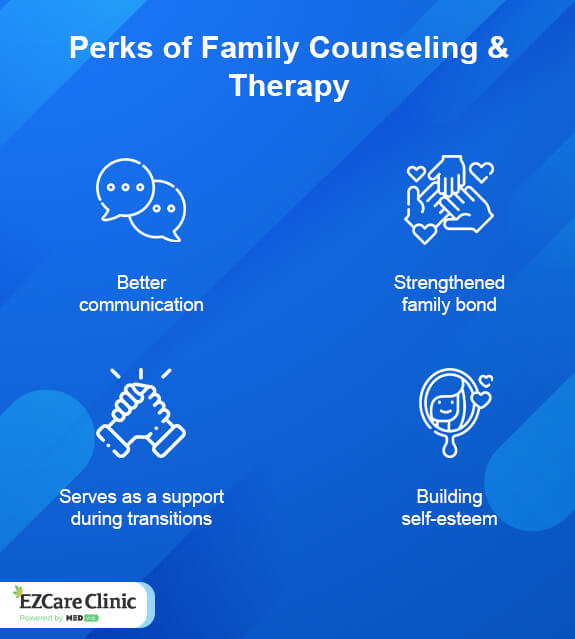
It can help moms and dads and caregivers understand the sources of problematic actions and develop techniques to resolve it. Households commonly deal with difficulties throughout significant life transitions such as separation, loss, or moving. Household therapy can offer assistance and guidance to aid households adapt to these changes and browse them with greater simplicity.
This can have a favorable impact on the mental and psychological well-being of all family participants. Involving the family in the therapy procedure develops a more encouraging environment for participants dealing with problems like clinical depression or dependency. By addressing and fixing problems and disorder, household therapy can assist prevent future problems and advertise much healthier partnerships.
1. 2. Originally, concentrate on producing a strong therapeutic partnership with the household. This involves: Building count on with each member of the family. Collaborating with the family members to develop clear, certain, and attainable therapy goals that are aligned with the family's problems and inspirations for seeking treatment. Clarify the roles of each relative while clarifying the healing process and talking about the dedication required for progress.

Latest Posts
The Impact of Online Comparison on Compulsive Behaviors
Communication Skills Within Diverse Contexts
Duration of Care for Spiritual Growth & Integration Therapy